Spitfire Association Logo

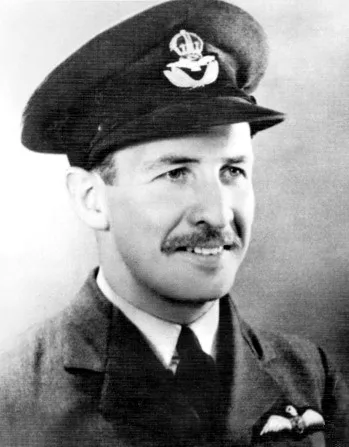
FLGOFF Leslie Redford Clisby 40043

DFC

Flying Officer Leslie Redford Clisby DFC, No. 1 Fighter Squadron RAF.
Squadron/s1 SQN RAF
Rank On Discharge/Death Flying Officer (FLGOFF)
Mustering / SpecialisationPilot
Date of Birth29 Jun 1914
Date of Death15 May 1940
Contributing Author/sVince Conant
2017
The Spitfire Association

Flying Officer Leslie Redford Clisby was born on 29 June 1914 at McLaren Vale, South Australia. He trained with the RAAF at Point Cook, Victoria, from 1935 to 1937, before accepting a short service commission with the Royal Air Force as a Pilot Officer in July 1937. In December 1937 he was appointed as a Flying Officer to No. 1 Fighter Squadron at Tangmere, Sussex.

On 3 December 1939, Clisby went to France with No. 1 Fighter Squadron as part of the Advanced Air Striking Force, flying Hawker Hurricanes. An aggressive and fearless pilot, he became the squadron's first top-scorer during the German blitzkrieg of May 1940, having claimed at least ten aircraft shot down, and possibly more.

Clisby was brought down and killed on 15 May 1940 during the fierce air fighting over France. He was 25 years old. His friend, Flying Officer L.R. Lorimer, was shot down and killed during the same engagement.

Clisby was posthumously awarded the Distinguished Flying Cross, gazetted on 14 June 1940.
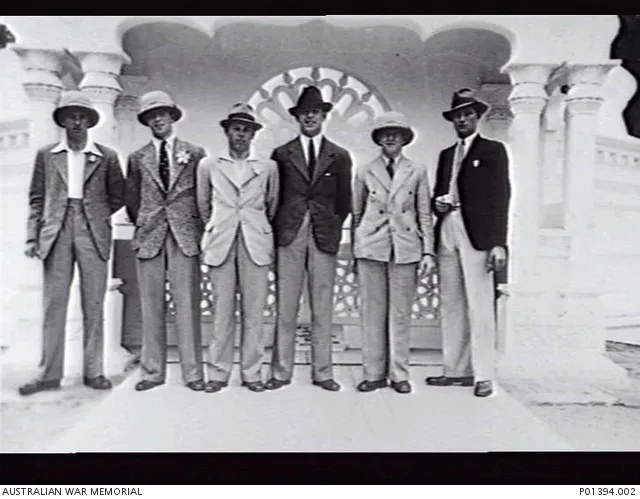


Colombo, Ceylon. 1937-08-04. Left to right: Les Clisby, Wal Skinner, Arthur Hubbard (later Wing Commander RAF and RAAF, DSO, DFC), Bert McGhie, Kev Walsh, Jack Lewis. Hubbard and others in the group were on their way to England to take up short service commissions with the RAF. (Donor: M. Hubbard)

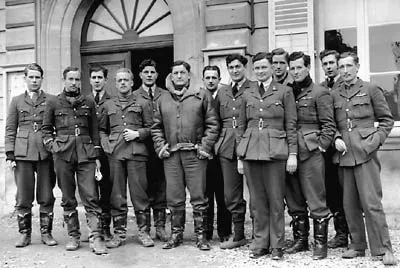
The pilots of No. 1 Squadron RAF, shortly before the outbreak of the blitzkrieg on 10 May 1940. Flying Officer L.R. Clisby is second from the left. The commanding officer, Squadron Leader P.H. 'Bull' Halahan, is in the centre, wearing a sheepskin flying jacket.

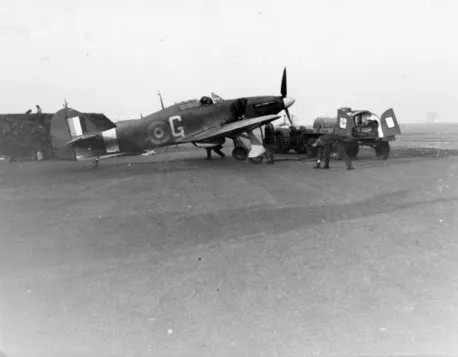
A Hawker Hurricane of No. 1 Squadron RAF in France, 1940.

Learn more about the squadron/s in which Leslie served.

We do our very best to make sure the information in the stories we share is correct. These stories are maintained to show our respect for the pilots, ground crew, design engineers and all who were involved with the Spitfire. In many cases, the information has been collected from the personal interactions between our members and the pilots and crew featured, and on many occasions, this process happened much later in the veterans' lives. If you believe anything on our site is not historically accurate, we welcome the additional stories, records and photos needed to help us correct the record. We thank you for your understanding.