
![Portrait of 400892 Squadron Leader (Sqn Ldr) Frederick Leslie Lomas, DFC, 680 Squadron, RAF, pictured in the cockpit of his aircraft. Previously a student, Sqn Ldr Lomas enlisted on 10 November 1940. He served initially with 208 Squadron RAF (October 1941-January 1942), then 451 Squadron RAAF (January 1942-September 1942) before joining 680 Squadron RAF (August 1943-August 1944). In January 1945 he was awarded a Distinguished Flying Cross (DFC) for his role as a "distinguished pilot in missions over the Western Desert". He was discharged on 17 December 1945. [AWM]](/images/crew/LOMAS-Frederick-Leslie/LOMAS-Frederick-Leslie_2.webp)
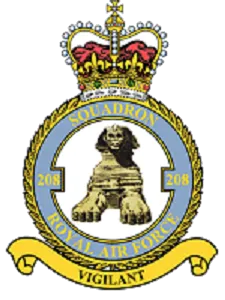
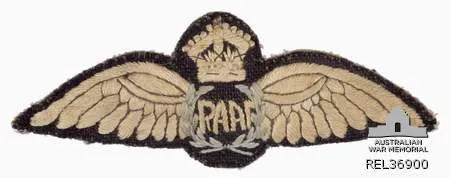
Frederick Leslie Lomas was born on 18 June 1914 at Port Macquarie, NSW. A student of Nhill, Victoria, Lomas enlisted on 10 November 1940 at Melbourne. After training on DH82s (Mascot, NSW) and Wirraways at No 2 Service Flying Training School (Forest Hill, near Wagga), Lomas embarked for overseas service on 1 September 1941, arriving in Egypt on 25 September and was immediately posted to 208 Squadron (RAF), a tactical and reconnaissance squadron, flying both the Lysander and Hurricane. He received training in aerial photography, local and combat flying during October before being assigned to E Flight.
The squadron was recovering from a hectic and expensive year of operations, having been decimated in Greece in early 1941 and had just returned from three months in Syria. When Lomas joined the squadron, it was in the process of completing a move from Ramleh (Palestine) to Gerawala (LG10) in the Egyptian Western Desert. On 18 November 1941 the Eighth Army launched Operation Crusader in Libya, hoping to recapture Tobruk. In support, 208 Squadron provided advance reconnaissance, and Lomas's logbook shows the squadron jumping from one temporary landing ground to another, almost on a daily basis. On 20 November, flying a tactical reconnaissance flight over Omar in Hurricane Z 9357, Lomas was hit by anti-aircraft fire. He notes in his logbook 'crash landed - made member late arrivals club'.
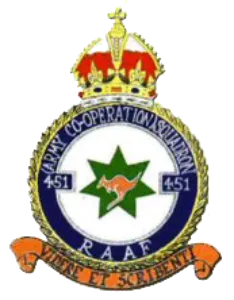
Rommel launched a second offensive on January 21, 1942, regaining most of the ground lost to the allies. Lomas continued flying photo reconnaissance patrols until the middle of March 1942 when he transferred to 451 Squadron, RAAF. This exhausted squadron had been withdrawn from operations in late January and placed on garrison duty in Syria for the remainder of 1942. Like his fellow pilots, Lomas undertook patrols and training, with no action or intercepts.
On 1 November 1942, Lomas was transferred to 74 Operational Training Unit (74 OTU) at Aquir in Palestine as an instructor on Harvards, Hurricanes and Spitfires and was mentioned in despatches on 11 March 1943; he was promoted to Flight Lieutenant soon after.
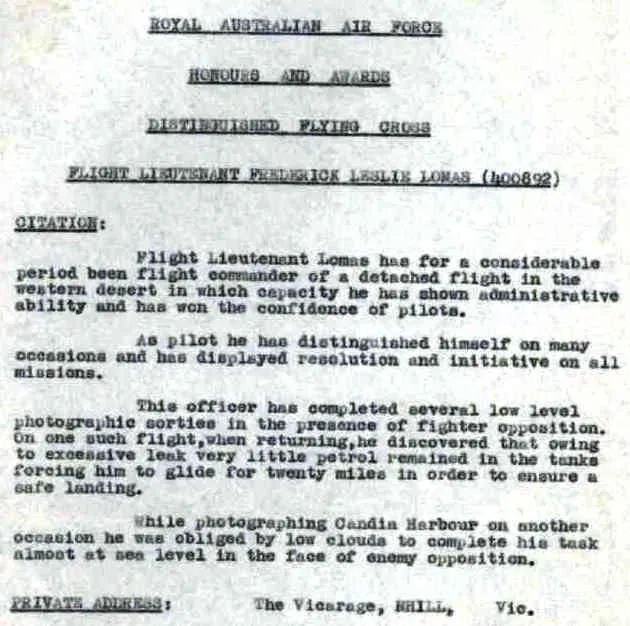
At the start of August 1943 Lomas was transferred to 680 (Reconnaissance) Squadron, RAF, converting to Mk VC Spitfires and later the Mk VI; he remained with this squadron for a year, undertaking constant photo reconnaissance missions over targets in Greece, and the islands of Crete, Rhodes, Leros, Kos, Calino, Amorgos, Cyclades and Levinthos. On 3 February 1944, whilst flying a PR mission over Crete and Cyclades, Lomas recorded 'bad petrol leak - 37 gallons at Malime - glided last 20 miles to base'. This incident is recorded in his DFC citation.
Although details are unknown, Lomas commanded a number of detached flights over his period with 680 Squadron, with 'considerable' success. On 11 August 1944, Lomas was transferred to 2 Aircraft Delivery Unit (2 ADU), delivering all manner of single and twin engined aircraft around the Middle East (models listed are the Baltimore, Dakota, Spitfire, Hurricane, Lodestar, Anson, Wellington, Hudson and Corsair) until transferred to 2 FU in late October.
During his stay in the Middle East, Lomas met and married a member of the WAAF - ACW1 M C Lomas, and they were married on 11 November. A month later, on 10 December 1944, Lomas crash landed his Spitfire (EF 275) at Idhra and was reported to be 'seriously injured'. He appears never to have flown again.
Lomas was notified of the award of a DFC on 11 January 1945; six days later he was removed from the 'seriously injured' list. A medical report of 18 April 1945 noted that he had suffered a head injury in the accident and resultant post traumatic personality disorder and recommended his repatriation to Australia on medical grounds with 'full aircrew status'. He was discharged on 17 December 1945 and died at Mitcham, Victoria on 31 March 1972.
Vale Fred – There is no other way to thank you!
Compiled by Vince Conant
October 2013
The Spitfire Association
![Distinguished Flying Cross. Engraved on reverse with recipient's name and date of issue (1945). [Courtesy of The Australian War Memorial]](/images/crew/LOMAS-Frederick-Leslie/LOMAS-Frederick-Leslie_4.webp)