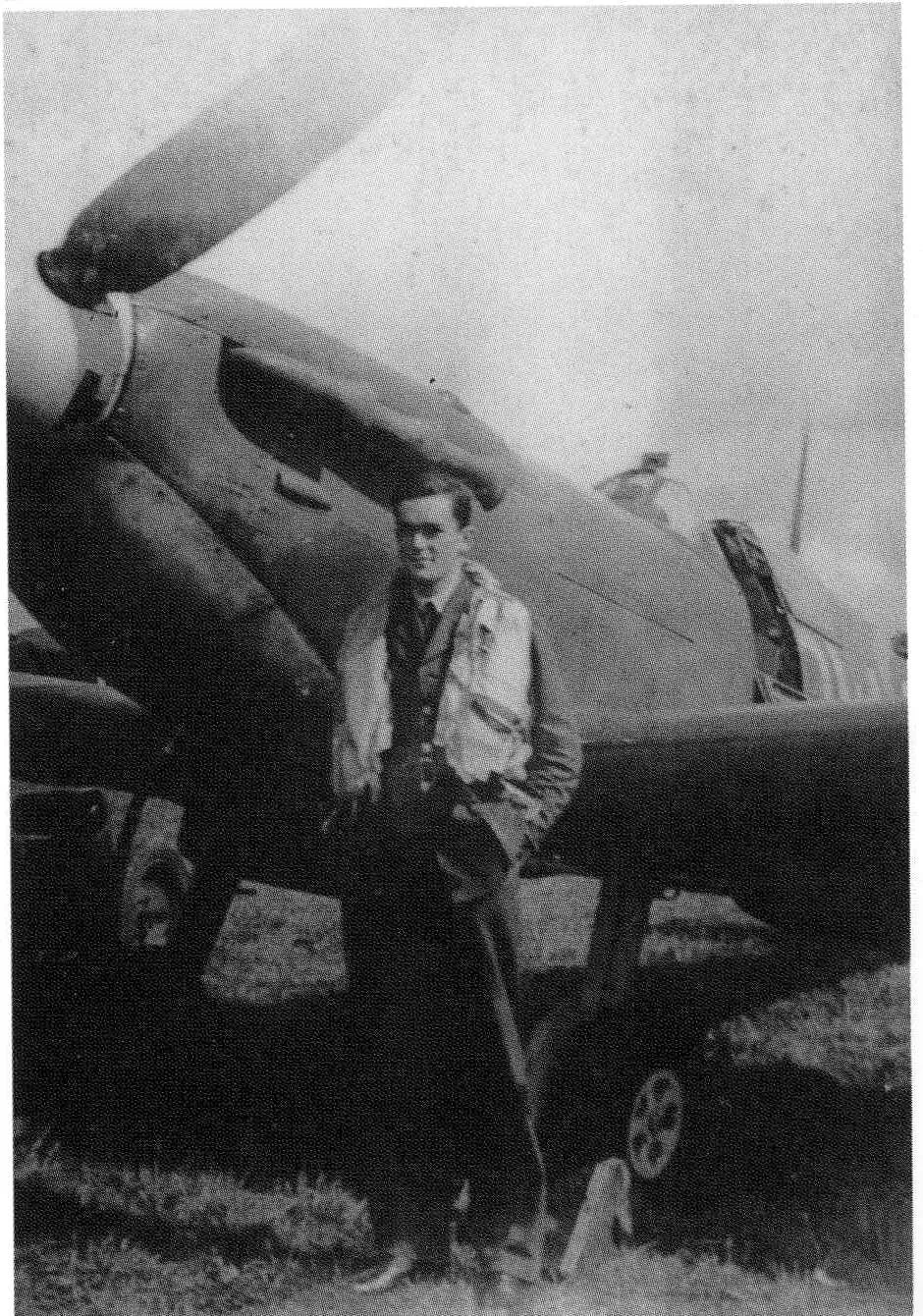
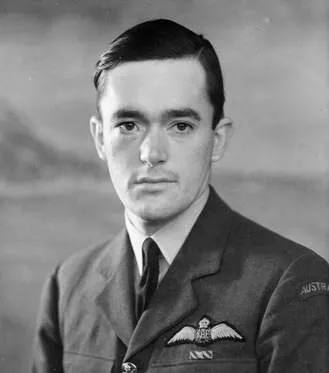
Frederick Anthony Owen "Tony" Gaze was born on 3 February 1920. His story reads like a boy's own adventure, but the remarkable achievements of this Australian are fact, not fiction.
Tony Gaze flew Spitfires almost exclusively during the war and ended it with 12.5 confirmed combat victories to his credit and another four probables. He flew with and was highly respected by luminaries such as Douglas Bader and Johnnie Johnson and was rated by them and others as an exceptional fighter pilot.
He has the rare distinction of being awarded the Distinguished Flying Cross three times. He was the first Australian to fly jet aircraft operationally and the first Australian pilot to shoot down an enemy jet aircraft. He escaped from occupied France with the help of the French Resistance, and he was the first Allied pilot to land in France after D-Day.
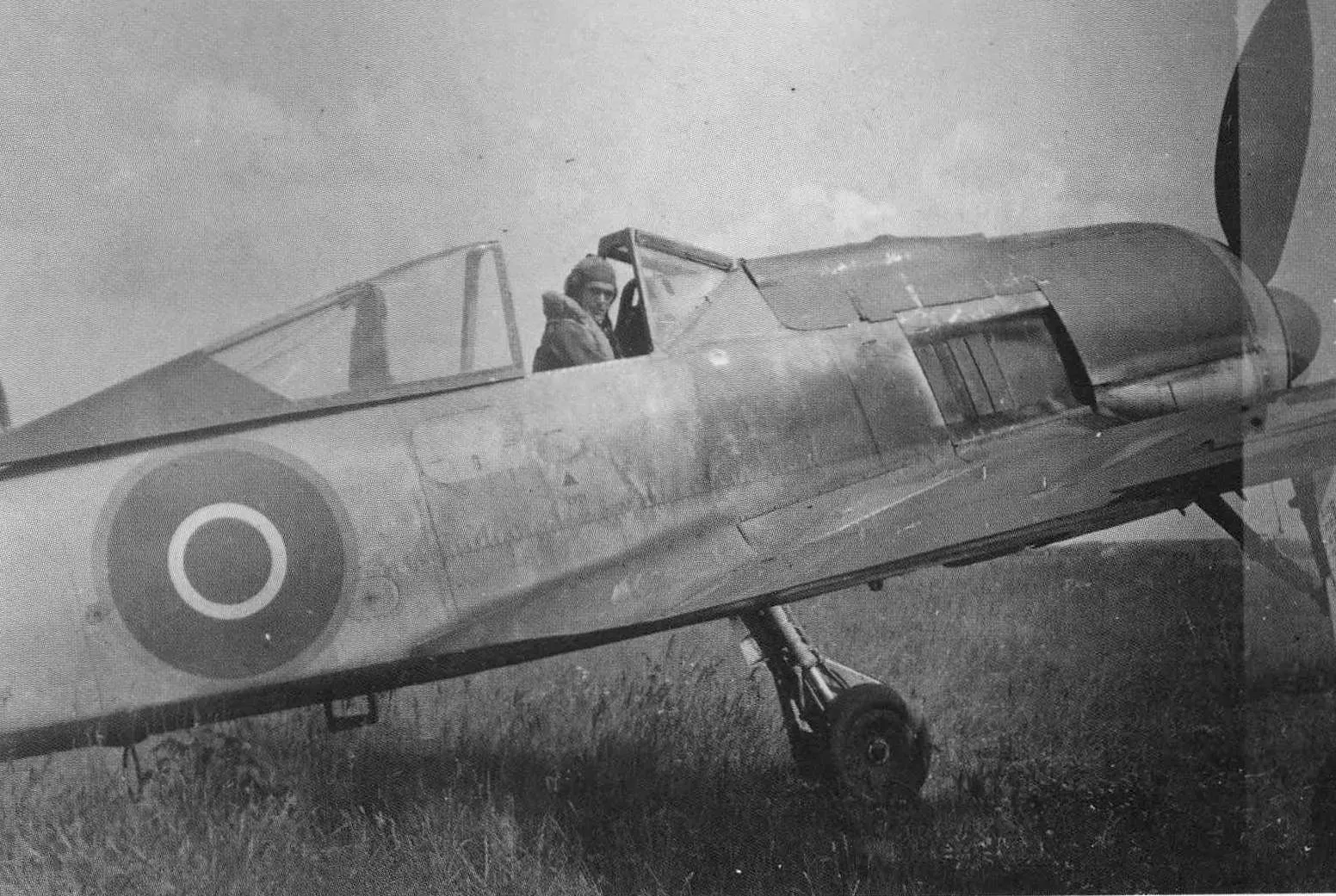
Tony was brought down over occupied Europe. Members of the French Resistance were quickly on the scene and, after putting a bandage from the Spitfire first aid kit around his head, he was given a bicycle and they all rode through a German-held village with Tony given instructions to play dumb if stopped by a German patrol. It wasn't until reaching a safe house that it was discovered the bandage around his head was emblazoned with the words "RAF Property!"
Several months later Tony was eventually spirited back to England after walking over the Pyrenees Mountains into Spain. Back in England he was keen to get back into action. His Commanding Officer refused his request on the basis that if he was shot down again and caught by the Gestapo, he would likely be tortured to reveal the identity of the French people who had helped him.
Instead, because of his fame as an RAF fighter pilot ace, it was decided to send him on a speaking tour of the factories that built the Rolls-Royce engine that powered the Spitfire. When told of this, he said "Good show — let me at 'em." However, his superiors quickly cancelled the tour, knowing that his outspoken nature would cause problems with the union leaders at the factories.
Tony Gaze's combat record:
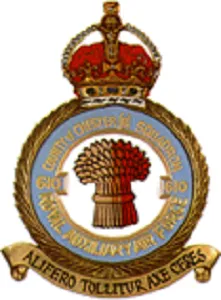
- 1941-06-26: Bf 109E destroyed, Gravelines (610 Sqn, Spitfire Mk II)
- 1941-07-06: Bf 109E shared destroyed, South of Lille (610 Sqn)
- 1941-07-10: Two Bf 109E destroyed, Hardelot (610 Sqn)
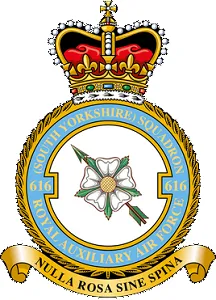
- 1942-07-18: Fw 190 destroyed, Le Touquet (616 Sqn, Spitfire Mk VI)
- 1942-08-19: Dornier Do 217 destroyed, Dieppe (616 Sqn)
- 1943-08-17: Fw 190 destroyed, West of Antwerp (129 Sqn, Spitfire Mk IX)
- 1943-09-04: Fw 190 destroyed, Beauchamps (66 Sqn)
- 1944-08-05: V-1 flying bomb destroyed, Beachy Head (610 Sqn, Spitfire Mk XIV)
- 1945-01-01: Fw 190D destroyed, Ophoven, Belgium (610 Sqn, Spitfire Mk XIV)
- 1945-02-14: Me 262 jet destroyed, Emmrich on Rhine (610 Sqn, Spitfire Mk XIV)
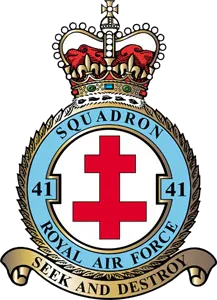
- 1945-04-10: Ju 52/3m destroyed, Bremen (41 Sqn, Spitfire Mk XIV)
- 1945-04-12: Arado Ar 234 shared destroyed, Bremen (41 Sqn)
- 1945-04-28: Fw 190D shared destroyed, Schwerin (41 Sqn)
- 1945-04-30: Fw 190D destroyed, Elbe Bridgehead (41 Sqn)
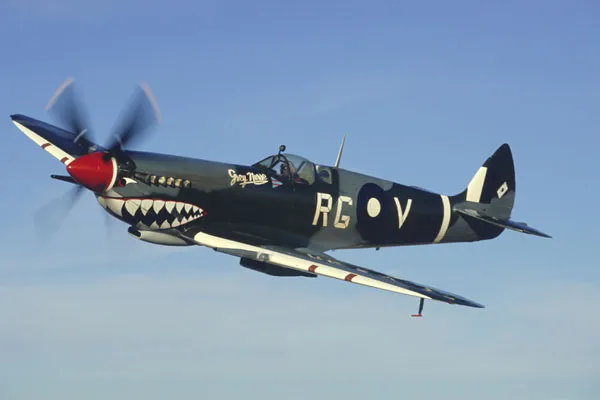
On St Valentine's Day 1945, while flying Spitfire XIV DW-F, Tony became the first Australian pilot to shoot down a German Messerschmitt Me 262 jet. His Combat Report for that day reads:
"On 14/2/45 I was leading Wavey Black section of two aircraft on standing patrol over NIJMEGEN. At about 1630 hours I sighted an Arado 234 pulling up from attacking the CLEVE area. I dropped my tank and attempted to intercept but despite the fact that I cut the corner it pulled away easily at 7,000 ft. After this we continually chased Arados over this area. I fired at two without result. At about 1700 hours when it was apparent that the jets were diving down through the cloud which was from 9–11,000 ft. I climbed up through it, leaving Black 2 below, hoping to warn him when they dived. Then I did an orbit at 13,000 ft. to clear off the ice on the windscreen and sighted 3 M.E. 262's in Vic formation passing below me at cloud top level. I dived down behind them and closed in, crossing behind the formation and attacked the port aircraft which was lagging slightly. I could not see my sight properly as we were flying straight into the sun, but fired from dead astern, at a range of 350 yards, hitting it in the starboard jet with the second burst; at which the other 2 aircraft immediately dived into cloud. It pulled up slowly and turned to starboard and I fired obtaining more strikes on fuselage and jet which caught fire. The enemy rolled over on to its back and dived through cloud. I turned 180 and dived after it, calling on the R/T to warn my no. 2; on breaking cloud I saw an aircraft hit the ground and explode about a mile ahead of me. I claim this M.E. 262 destroyed. Black 2 also witnessed this explosion."
After the war, Tony Gaze had a remarkable second career as a racing driver. He was the first Australian to compete in world championship Grand Prix motor racing and was the driving force behind the establishment of the Goodwood motor racing circuit in England. His racing career saw him competing in Europe, Australia, New Zealand and South Africa.
Tony also represented Australia in the 1960 World Gliding Championship in Germany and was awarded the Medal of the Order of Australia in the 2006 New Year's Honours List. Squadron Leader Tony Gaze passed away on 29 July 2013 in Geelong, aged 93.
Credit: The Spitfire Association, Chevron Publishing Group, and Stewart Wilson, author of "Almost Unknown."